Prepare your vehicle for a tow
A few minutes of prep before the tow truck arrives saves time, avoids damage, and makes the whole call go faster.
Remove valuables, photograph the vehicle, secure loose items, and tell the assigned operator about damage, low clearance, drivetrain details, or steering problems. Put the transmission and parking brake where the operator directs, and keep the key available. If the vehicle can't roll, steer, or shift, don't force it. Let the operator choose the safe loading method.
What you'll learn
- What to take out of the car before it goes on the flatbed
- Whether to disconnect the battery (usually no - but sometimes yes)
- Why photographing the vehicle beforehand protects you
- What transport mode is and when your EV needs it
Step by step
- Remove valuables, registration, and any loose items inside the cabin.
- Photograph all four sides of the car before loading. Save the photos.
- If the car has an alarm, turn it off or disable motion sensing.
- For EVs: engage transport mode per your owner's manual.
- Note any pre-existing damage and point it out to the driver.
- Leave fuel in the tank unless the driver tells you otherwise.
Photos before the tow protect both you and the driver. Ask the assigned operator whether they photograph the load; your photos still back up the story.
Decide where the car is going before the truck arrives
Pick the final destination before the operator is dispatched. Changing it while the car is loaded can turn one haul into two.
A repair shop that is closed at 2am may not accept the car. Ask whether it has a key drop and an after-hours lot. Get clear instructions for where the operator should leave the vehicle and keys.
A dealer may be the only practical destination for an electric vehicle or a recent model under warranty. Your insurer may also have a preferred repair facility that it will pay toward. Check before choosing a shop.
Home is a legitimate answer if there is somewhere legal to leave the car. A driveway may work. A restricted street, permit space, or private lot may not. Confirm that the vehicle can remain there without creating another towing problem.
What to take out of the car, and why it matters more than people think
Take your registration and insurance card. Remove the garage remote, toll transponder, medication, laptops, and anything showing your home address. Check the key ring for house or office keys before handing over the vehicle key.
The child seat should leave with you. The car may sit at a shop or storage lot for days. A seat locked inside a vehicle at an unfamiliar lot is a seat you cannot use when another ride arrives.
Check the trunk, door pockets, center console, and cargo area. Make one deliberate pass instead of trying to remember everything later.
Under Pennsylvania's private-property towing law, a storage facility must release a vehicle during posted hours when required payment is made. It must also provide itemized written charges. That does not mean someone will be available the minute you want to retrieve personal belongings. Take what you need before the car leaves.
What the operator needs to know before the truck is dispatched
Give the year, make, and model. Say whether the car rolls, steers, and shifts into neutral. Tell the dispatcher whether it has all-wheel drive, four-wheel drive, or an electric drivetrain. Many owner's manuals require specific towing methods. Using a wheel lift on the wrong drivetrain can damage a transfer case or drive motor.
Mention lowered suspension, an aftermarket body kit, missing wheels, collision damage, or locked steering. These details affect the equipment the assigned operator needs.
Explain exactly how the vehicle is parked. Access is a real constraint in Philadelphia. A car inside an underground garage with low clearance may not fit a standard flatbed. A vehicle boxed in on a narrow one-way rowhome street may need another loading approach. Cars parked along both sides of the block can also limit the truck's working angle.
Describe entrances, clearance signs, tight turns, and blocked lanes before dispatch. The right truck for an open suburban lot may not work inside a Center City garage or on a tight South Philadelphia block.
The paperwork moment, and the part people skip
Ask for the quoted price before the truck rolls. Confirm the destination and ask which towing method is being sent. The dispatcher or assigned operator should explain why that method fits the vehicle.
Get the charges in writing. A private-property tow in Pennsylvania falls under 73 P.S. section 1971 et seq. The law requires posted fees and hours at the storage facility, plus itemized written charges.
PA Act 46 of 2026 was signed July 20, 2026, and takes effect December 17, 2026. It adds statewide towing standards and transparency requirements. Before that effective date, do not treat its new provisions as current law.
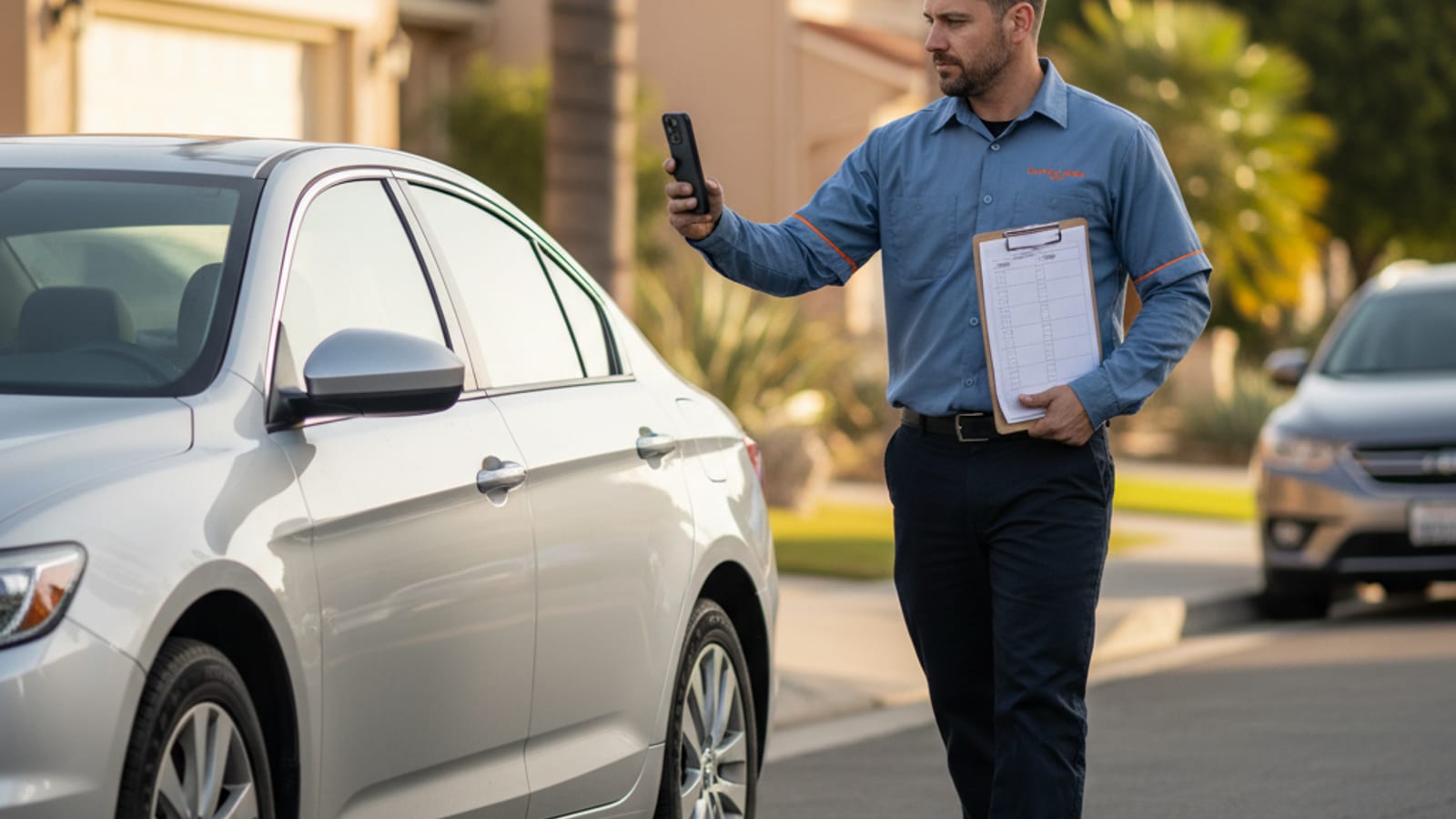
Photograph the car from all four corners before loading. It takes about thirty seconds and creates a clear record of existing damage. Include close photos of any scrape, broken panel, or damaged wheel. Those images can settle a later disagreement about when damage occurred.
If it is an impound rather than a breakdown, the rules are different
Inside Philadelphia, most city tows run through the Philadelphia Parking Authority. Search for the vehicle at findmytowedcar.org or call 888-591-3636. For a snow-emergency tow, call (215) 686-SNOW.
In Delaware, Montgomery, Bucks, and Chester counties, each municipality runs its own lot under Pennsylvania Title 75 section 3352. Ask the municipality which lot has the vehicle and what that lot requires. Do not apply the PPA schedule to a suburban impound.
A private-property tow anywhere in Pennsylvania falls under 73 P.S. section 1971 et seq. First identify who ordered the tow. That tells you which process applies and who can confirm the current charges and release instructions.
Rather have a pro handle it?
Towing and roadside service across Philadelphia plus Delaware, Montgomery, Bucks and Chester counties. One local line, taking calls 24/7.
Keep learning.
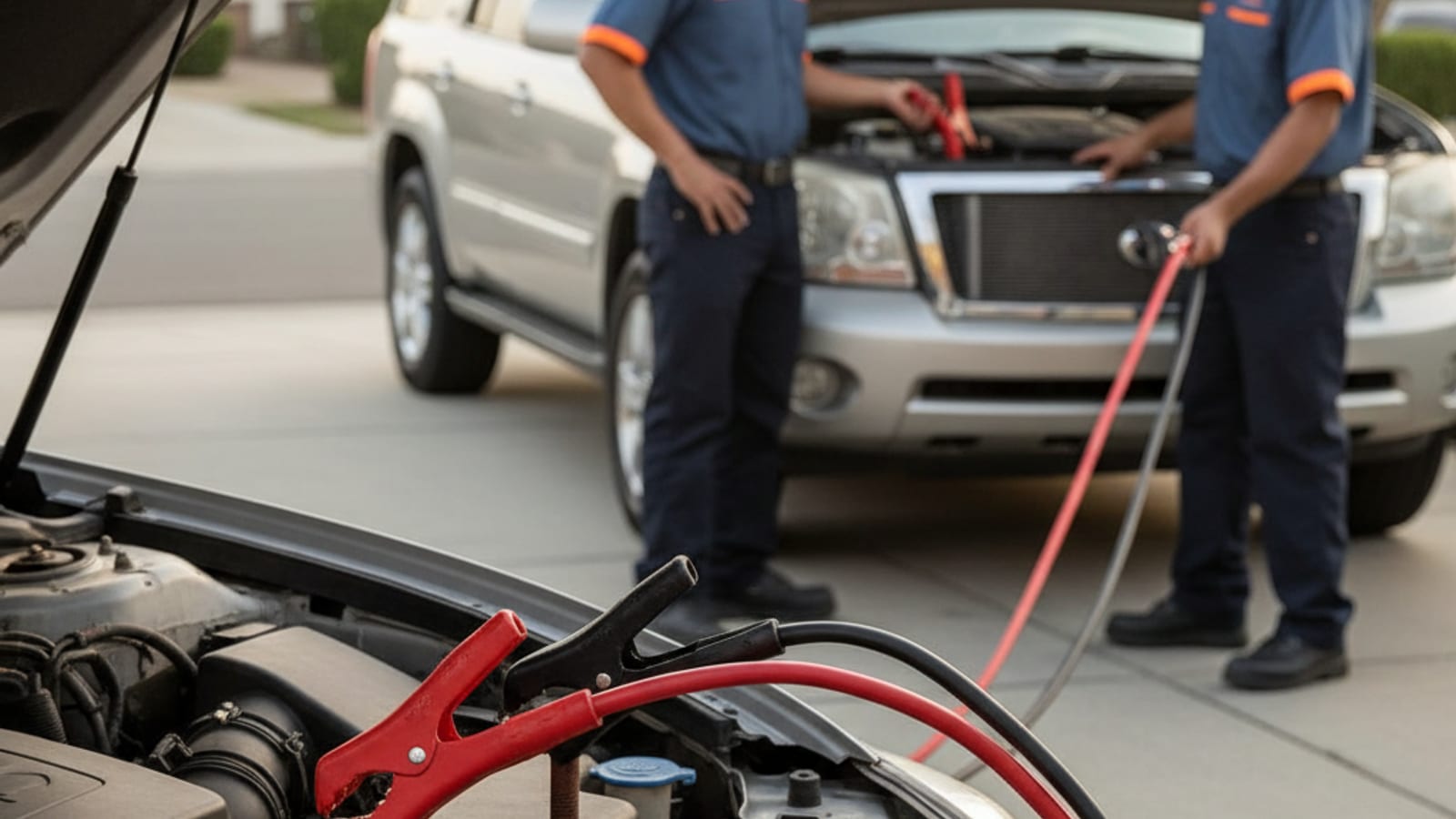
Jump-start a dead battery safely
Jumper cables are simple until you hook them wrong. Do it right and you'll avoid sparks, ruined electronics, and a tow you didn't need.
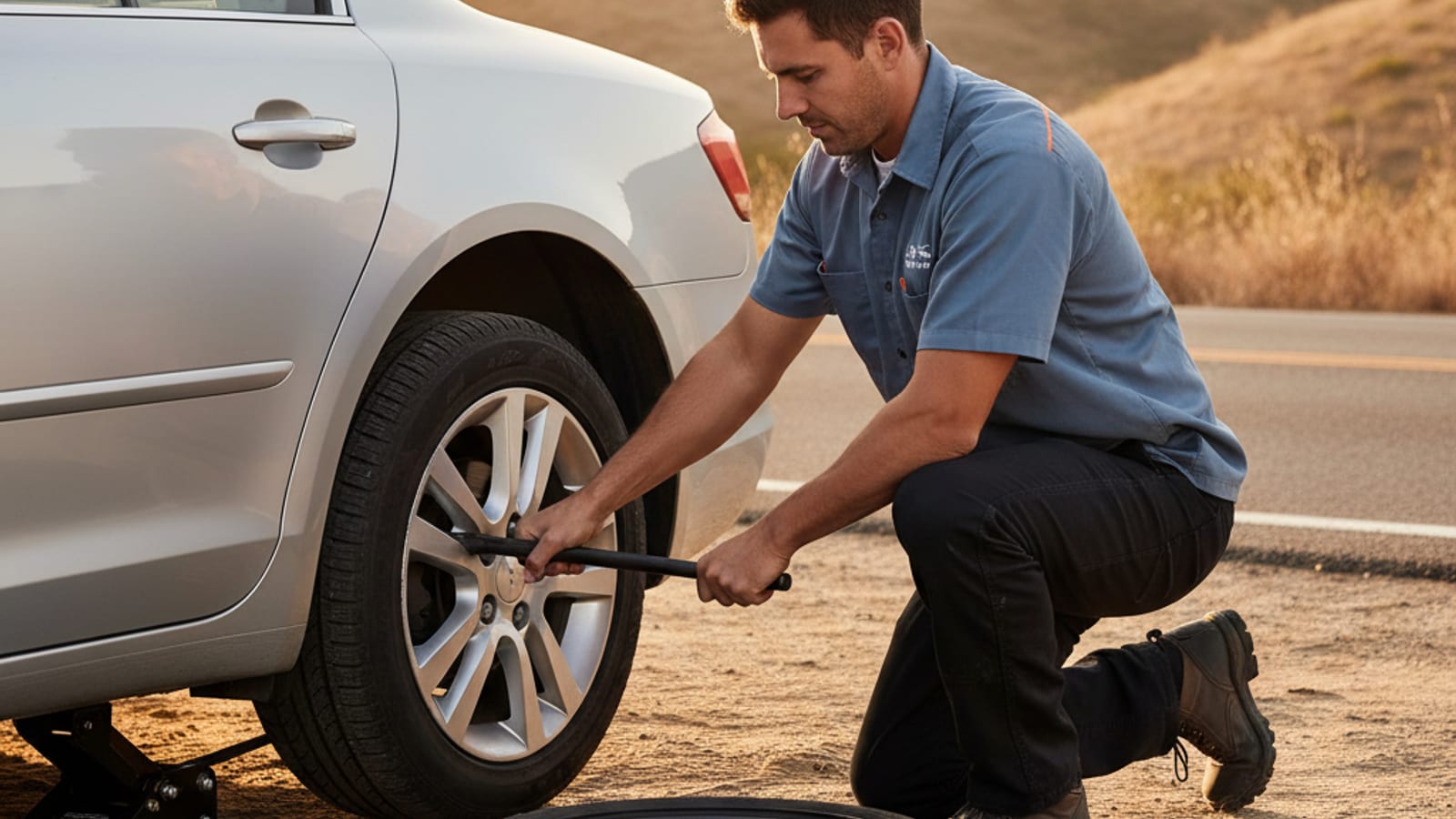
Change a flat tire on the side of the road
The difference between a 20-minute shoulder stop and an hour on the phone with a tow company is knowing where the spare and jack live before you need them.
What to do if you slide on ice or hit a flooded viaduct
Philadelphia winters glaze bridges and ramps before flat streets, and a heavy rain fills a viaduct underpass faster than it looks. First step: stop making it worse.